

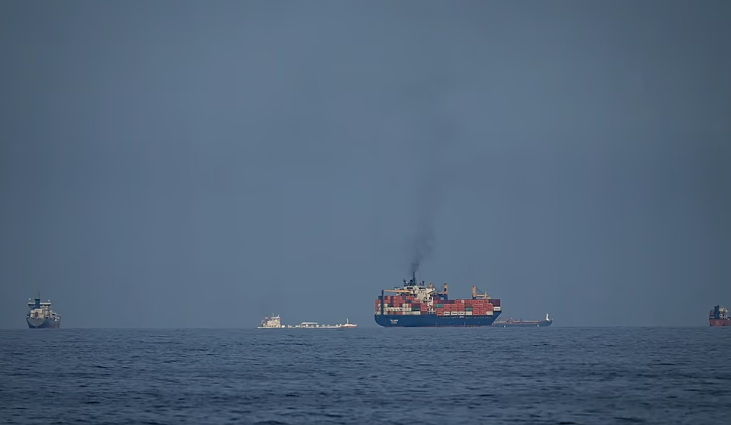
Iran has agreed to allow the passage of humanitarian and agricultural aid through the Strait of Hormuz, marking a potential breakthrough in a conflict that has disrupted global trade for weeks.
The announcement came just hours after Iranian state media said two nuclear facilities had come under attack in strikes claimed by Israel. Tehran has agreed to “facilitate and expedite” humanitarian aid through the Strait of Hormuz, the Iranian ambassador to the United Nations in Geneva said on Friday.
Ali Bahreini said the decision followed a request from the United Nations and would allow essential goods, including food supplies and fertilisers, to move through the critical shipping route. The move is seen as the first easing of restrictions at the chokepoint since the war began a month ago.
While much of the global focus has been on oil and gas disruptions, officials warn that blocked fertiliser shipments could have serious consequences for agriculture and food security worldwide. The UN recently established a task force to address the wider impact of the conflict on aid delivery.
The humanitarian development came amid renewed military escalation. Iranian authorities reported that two nuclear-related facilities were targeted in air strikes. Israel later confirmed carrying out the attacks, which hit the Shahid Khondab heavy water complex in Arak and a yellowcake production plant in Yazd province.
Iranian officials said there were no casualties and no risk of radiation contamination. However, the strikes prompted sharp warnings from Tehran. Foreign Minister Abbas Araghchi said the attacks undermined diplomatic efforts and warned that Iran would respond.
The Islamic Revolutionary Guard Corps also signalled retaliation, with senior commanders issuing threats against interests linked to the United States and Israel. The developments add to concerns that the conflict could widen further.
International efforts to de-escalate the situation are ongoing. Diplomats from countries including Pakistan and Turkey are attempting to arrange direct talks between Washington and Tehran. At the same time, foreign ministers from the Group of Seven have called for an immediate halt to attacks on civilian infrastructure.
The International Atomic Energy Agency has urged restraint, warning of the risks associated with strikes on nuclear-related sites. Director General Rafael Grossi said there had been no increase in radiation levels but stressed the need to avoid any actions that could trigger a nuclear incident.
Meanwhile, the United States is increasing its military presence in the region. Additional troops, including Marines and airborne units, have been deployed as a precaution, though Secretary of State Marco Rubio said Washington believes it can meet its objectives without committing ground forces.
As the conflict enters its second month, the agreement to allow humanitarian shipments offers a rare sign of progress, even as military tensions remain high and diplomatic efforts continue.