

Hungarian oil and gas company MOL says it expects to be technically ready to phase out Russian crude imports by the end of 2027, while urging the European Union to provide funding for alternative supply routes.
MOL Hungary chief executive György Bacsa told Euronews that the transition would require significant investment in energy infrastructure. He warned that reducing dependence on Russian oil could increase energy costs and place additional pressure on households and businesses in Hungary and Slovakia, both of which remain heavily reliant on Russian crude.
Bacsa said higher costs could lead to social unrest and political instability, making financial support from Brussels important to ensure the transition does not create further economic difficulties.
The company is preparing to seek EU funding for energy diversification for the first time, following a change of government in Budapest. The move marks a shift from the approach taken under former prime minister Viktor Orbán, whose government maintained close energy ties with Russia and opted out of some EU initiatives aimed at reducing reliance on Russian supplies.
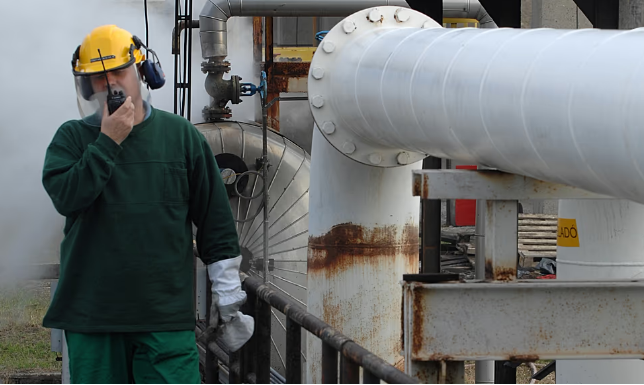
MOL’s plans depend partly on expanding access to non-Russian crude through alternative pipeline routes. The company is calling for EU support to develop the infrastructure needed to transport oil from other suppliers and strengthen the region’s energy security.
The European Union has maintained its focus on ending imports of Russian energy following Moscow’s invasion of Ukraine. However, the transition has been more complicated for landlocked countries in central Europe, where existing infrastructure and limited access to alternative routes have contributed to continued dependence on Russian supplies.
A 2025 study by the International Monetary Fund estimated that a complete interruption of Russian energy supplies could increase Hungary’s energy spending by around 15% by 2030. Such an increase could put additional pressure on the country’s economy and make the shift to alternative sources more difficult.
For MOL, being technically prepared to stop buying Russian oil by the end of 2027 does not remove the financial and logistical challenges involved. The company says investment in pipelines and other supply infrastructure will be necessary to secure reliable alternatives.
Bacsa’s warning highlights the challenge facing EU policymakers as they seek to reduce Russian energy imports while limiting the economic and political consequences for member states that remain dependent on them.