

Oil prices declined on Tuesday morning after US President Donald Trump announced that he was postponing a planned military strike on Iran, easing fears of an immediate escalation in the Middle East conflict and calming concerns over global crude supply disruptions.
International benchmark Brent crude fell 1.33 percent to $110.61 per barrel in early trading, while US West Texas Intermediate crude slipped 0.91 percent to $103.43 per barrel as investors reacted to the latest developments surrounding negotiations between Washington and Tehran.
Trump said on Monday that he had decided to suspend a military operation that had reportedly been scheduled for Tuesday following requests from Gulf leaders who urged the United States to allow more time for diplomacy.
In a message posted on social media, Trump said “serious negotiations” were taking place with Iran and indicated that Gulf allies believed a deal could still be reached to prevent further escalation in the region.
The announcement came shortly after Iranian officials confirmed they had responded to a new US proposal aimed at ending the conflict that erupted following US and Israeli strikes on Iran earlier this year.
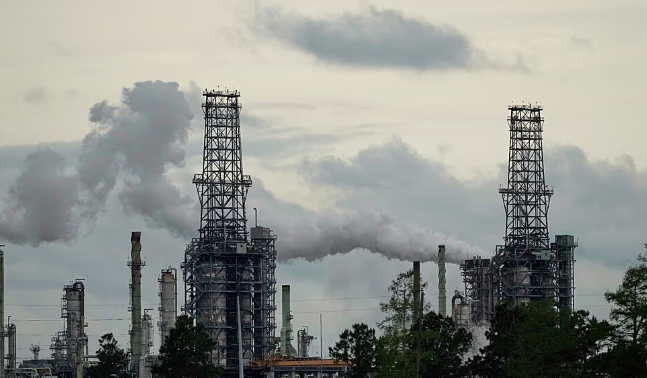
Markets viewed the delay in military action as a sign that tensions may temporarily ease, reducing the risk of further disruptions to oil exports from the Gulf region. Concerns over supply shortages had pushed oil prices sharply higher in recent weeks, especially after the closure of the Strait of Hormuz, one of the world’s most important energy shipping routes.
Despite Tuesday’s decline, analysts warned that energy markets remain under pressure as global inventories continue to fall rapidly.
Speaking at the Group of Seven finance ministers’ meeting in Paris on Monday, International Energy Agency Executive Director Fatih Birol said the world had only a limited amount of oil reserves remaining if the current disruption continues.
According to preliminary data from the agency, global oil stockpiles dropped by 129 million barrels in March and a further 117 million barrels in April following the outbreak of the conflict and the disruption of Gulf exports.
The steepest declines were seen in developed economies. Oil inventories in OECD countries fell by 146 million barrels, while visible stockpiles in non-OECD countries declined by 24 million barrels.
The IEA estimated that cumulative supply losses from Gulf producers have now surpassed one billion barrels, with more than 14 million barrels per day unable to leave the region because of shipping restrictions and security concerns around the Strait of Hormuz.
While Trump’s latest move eased immediate fears of military escalation, traders remain focused on whether negotiations between the United States and Iran can produce a lasting agreement capable of restoring stability to global energy markets.