
Denmark is preparing to introduce a landmark law that would give citizens new protections against deepfakes — digitally altered videos, photos, or audio clips that imitate real people without their consent. The proposal aims to safeguard individuals, artists, and public figures from the growing threat of being digitally manipulated and shared online.
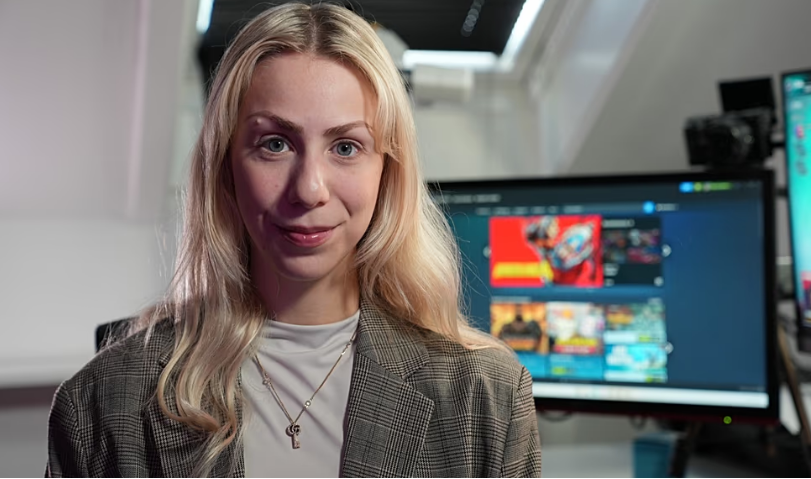
For Danish video game live-streamer Marie Watson, the issue is deeply personal. In 2021, she was sent a fake image of herself appearing nude, created using artificial intelligence. “It overwhelmed me so much,” she said. “I just started bursting out in tears, because suddenly, I was there naked.” Her experience mirrors the growing number of people targeted by deepfake technology, which has become more accessible and realistic with the rise of generative AI tools from companies such as OpenAI and Google.
The Danish government’s new bill, expected to pass early next year, would give citizens copyright ownership over their likeness, including their voice and appearance. This would allow individuals to demand the removal of deepfakes from online platforms. The law is also designed to protect creative professionals whose identities are used without consent. Parodies and satire would remain legal, although how that will be determined is still under discussion.
Culture Minister Jakob Engel-Schmidt said the proposal has strong support across political parties. “If you’re able to deepfake a politician without them being able to have that product taken down, that will undermine our democracy,” he said during an AI and copyright conference in September. The law would apply only in Denmark, but major online platforms that fail to remove offending content could face significant fines.
Experts have welcomed the move. Henry Ajder, founder of Latent Space Advisory and a specialist in generative AI, said Denmark’s plan is an important step toward accountability. “When people ask how to protect themselves from being deepfaked, the reality is there’s not much they can do right now,” he said. “We can’t pretend this is business as usual for how we think about identity and dignity.”
The growing threat of deepfakes is not limited to Denmark. In the United States, President Donald Trump signed legislation in May making it illegal to publish or threaten to publish intimate images, including deepfakes, without consent. South Korea has also enacted laws to crack down on deepfake pornography.
The Danish Rights Alliance, which advocates for creative industries, supports the new legislation. Director Maria Fredenslund said current laws do not adequately protect victims. “When we reported AI voice clones to online platforms, they asked which regulation we were referring to — and there wasn’t one,” she said.
For Watson, the proposed law is a step in the right direction, but she believes social media platforms need to take greater responsibility. “It shouldn’t be possible to upload these types of pictures,” she said. “When it’s online, you’re done. You can’t do anything, it’s out of your control.”